
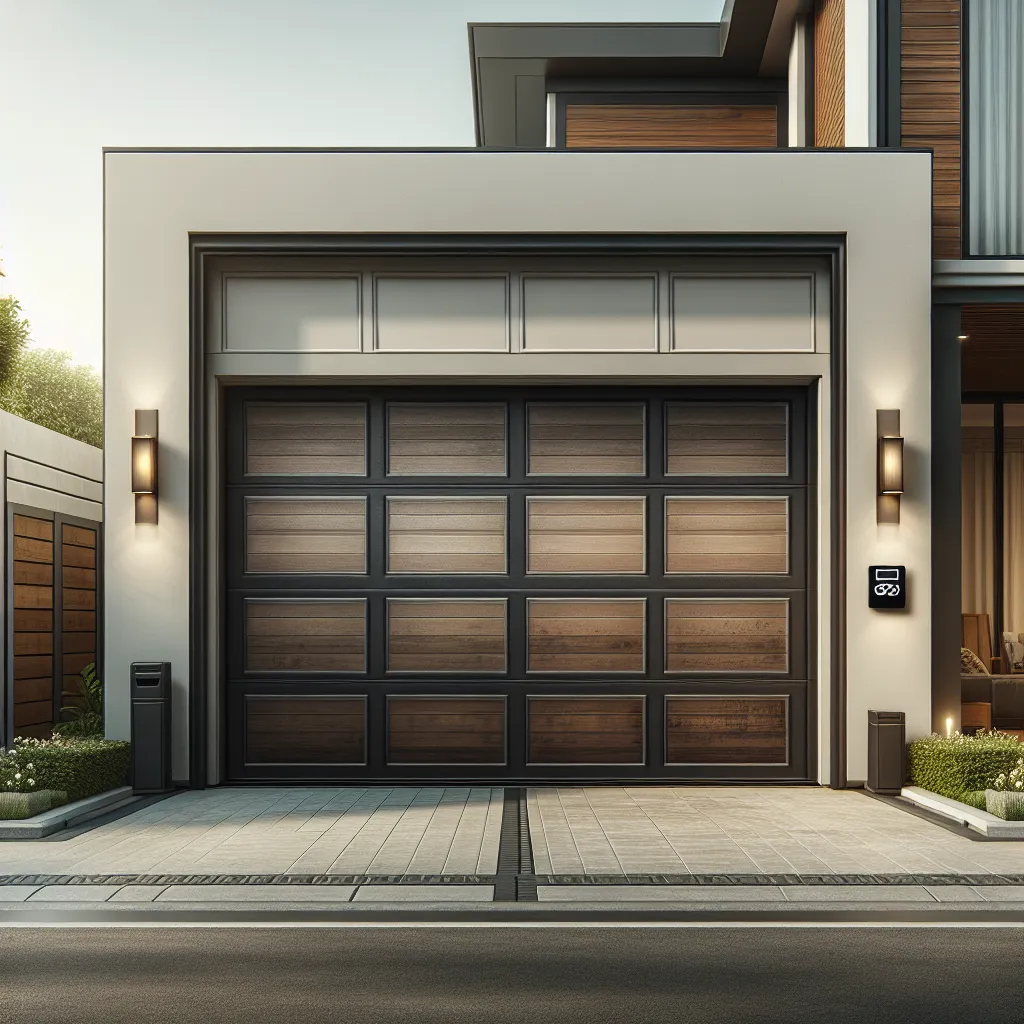
Why Your Garage Door Deserves a Closer Look
Most homeowners barely think about their garage door until something goes wrong. It opens, it closes, and life moves on. But that big slab of metal or wood at the front of your home does more than you might realise. It protects your vehicles, secures one of the largest entrances to your house, contributes directly to your energy bills, and shapes the curb appeal of your entire property. When it starts showing its age, ignoring the signs can cost you in safety, money, and stress all at once. The trick is learning to spot the warning signals early so you can plan a replacement on your terms, rather than scrambling after a sudden breakdown on a freezing morning. The seven red flags that follow are the most common indicators that your current door has quietly reached the end of its useful life and is ready for a proper upgrade rather than another short term patch.
Springs That Keep Breaking Down
Springs are the unsung heroes of any garage door system. They carry most of the weight every time the door moves up or down, and they take serious abuse over the years. A typical torsion spring is rated for around ten thousand cycles, which sounds like a lot until you realise that translates to roughly seven to ten years of normal household use. When you notice the door slamming shut too quickly, struggling to lift evenly, or making a loud bang in the middle of the night, the springs are sending you a clear message. Replacing a single spring once might be reasonable, but if you keep seeing the same problem return, it usually means the rest of the system is wearing out alongside it. At that point, a brand new door with fresh hardware is almost always the smarter long term investment for your household.
Damaged or Dented Panels That Compromise the Door
A few small dings from a stray football or a misjudged reverse aren’t usually a crisis. But when panels are deeply dented, cracked, or warped, the integrity of the entire door starts to suffer in serious ways. Damaged sections strain the rollers, throw off the balance, and put extra pressure on the opener motor every single cycle. They also create gaps where weather, pests, and even potential intruders can find their way through. Aesthetically, a battered door drags down the look of your whole home, which matters a great deal if you ever plan to sell or refinance. Some homeowners try to swap out a single panel, but matching old colours and styles to current stock is often impossible, and the underlying frame may already be compromised by years of stress. If more than one section is in rough shape, full replacement almost always wins on both performance and curb appeal.
Slow Response Times and Sluggish Operation
A healthy garage door should respond within a second or two when you press the remote. If you find yourself waiting, watching it hesitate, or hearing the motor strain before anything happens, that delay is a symptom of bigger trouble underneath. Slow operation can stem from worn cables, tired springs, a failing opener, or tracks that have shifted out of alignment over time. Sometimes a quick tune up brings the system back to life, but on older doors the lag tends to return quickly because every component is ageing at a similar rate. Beyond the inconvenience, a sluggish door can leave your home exposed during those long seconds when it’s still closing or finally lifting. If your morning routine now includes standing in the driveway waiting for the garage to catch up with you, the door is well overdue for serious professional attention and probably full replacement.
Strange Sounds That Signal Trouble
Every door makes some noise, but the kind of noise matters more than people think. Gentle humming and the soft click of rollers along the track are completely normal. Grinding, screeching, popping, and rattling are not. Those harsher sounds usually point to dry hinges, worn rollers, loose hardware, or a motor that is working much harder than it should be. A loud bang from inside the garage, especially when the door is at rest, is often a snapped spring and should be treated as an immediate safety issue. Noise on its own can sometimes be quieted with lubrication and a handful of replacement parts, but when the racket comes back within weeks or starts getting louder, the door is telling you that its working life is winding down. Modern systems run remarkably quietly, and most homeowners are stunned by how peaceful the morning becomes once they finally upgrade.
Rising Energy Bills From Poor Insulation
If you’ve noticed your heating or cooling costs creeping up without an obvious explanation, your garage door might be the hidden culprit behind those numbers. Older doors, especially single layer steel or solid wood models, offer almost no insulation against outdoor temperatures. Worse still, the weather seals dry out, crack, and let cold or hot air slip through every gap around the frame. In an attached garage, that thermal weakness drags down the temperature of the rooms right next to it, forcing your HVAC system to work harder all year round. Modern insulated doors with proper seals can dramatically improve indoor comfort and noticeably cut monthly utility bills across the seasons. If your fingers go numb every time you grab something from the garage in winter, or the space turns into an oven in summer, replacement stops being just a comfort upgrade. It becomes a sound financial decision that quietly pays itself back over time.
Frequent Repairs That Add Up Faster Than Expected
There’s a tipping point where pouring money into an old door stops making sense for any household budget. One repair every few years is normal upkeep that any homeowner should comfortably expect. Multiple service calls within a single year is a flashing warning light you should not ignore. Rollers, cables, sensors, openers, and panels all start to fail in close succession because they were installed around the same time and have aged together as a single system. Many homeowners only realise how much they’ve spent when they tally the receipts and compare them to the cost of a brand new door. This is where talking to a reputable provider of garage door services becomes truly valuable, since a knowledgeable professional can give you a clear picture of remaining life expectancy versus replacement cost. If repairs are climbing past half the price of a new door, redirecting that money into something modern almost always wins.
Visible Sagging or Misalignment in the Frame
Step back from your driveway one afternoon and look at the door with fresh eyes. Does it sit evenly within the frame, or is one side hanging visibly lower than the other? Does it twist or wobble during operation? Sagging usually indicates that the door has absorbed too much moisture over the years, especially with wooden models, or that the supporting hardware has stretched beyond its safe tolerances. Misalignment puts uneven pressure on the tracks, the opener, and every roller, which accelerates wear and creates real safety risks for anyone passing underneath. A door hanging out of true can also fail to seal properly against the floor, letting in drafts, pests, and rainwater after every storm. While minor adjustments are possible in early stages, a door that has visibly drooped or tilted is rarely worth saving. The frame itself may also need attention, and that’s the natural moment to install something new.
Making the Call Between Repair and Replacement
Deciding when to replace rather than repair is rarely a single dramatic moment in a homeowner’s life. It’s usually a slow build of small frustrations, rising costs, and that nagging sense that the door isn’t quite pulling its weight any more. A trusted local technician can inspect the system honestly, walk you through the numbers, and help you choose a door that fits both your home and your budget without any pressure. Look for a company with strong reviews, transparent pricing, and a willingness to explain your options without pushing you toward the most expensive product on the shelf. Ask about warranty terms, insulation ratings, and the lifecycle expectations of the springs and openers being installed. Investing time in the right pick now means the next decade or more passes without surprises. The right replacement boosts property value, lowers utility costs, improves daily comfort, and gives you back the quiet confidence that comes with hardware you can rely on every single time you press the button.
Written by
Tobias HargreaveNews editor and consumer tech writer, 14 years
Tobias spent 9 years on the news desk of a regional daily before moving into digital publishing, where he has edited more than 3,000 breaking news and explainer pieces. He now writes practical tips on staying informed, spotting weak sources and using news apps and alerts without the noise. He holds a journalism degree and runs a weekly fact check routine that he shares with readers.